
Benefits of Tempered Glass Replacement for Commercial Storefronts
Commercial properties face unique structural and safety challenges that residential buildings do not. According to the National Glass Association, the use of safety glass in hazardous locations is mandated by building codes to prevent severe injury from breakage. Tempered glass, also known as toughened glass, is the industry standard for these high-traffic areas. This specialized glass undergoes a thermal or chemical treatment process that increases its strength significantly compared to standard annealed glass. For business owners in Tucson and surrounding areas, understanding these benefits is crucial for maintaining compliance, ensuring customer safety, and protecting assets. (About Vista Glass)
Understanding Structural Integrity and Strength
The primary advantage of tempered glass lies in its manufacturing process. During tempering, the glass is heated to approximately 620 degrees Celsius and then rapidly cooled. This creates a state of compression on the surface and tension in the center. The result is a material that is four to five times stronger than standard glass of the same thickness. This structural integrity is vital for commercial storefronts that must withstand environmental stresses such as wind loads and temperature fluctuations. (Location Vista Glass)
For businesses located in regions with variable weather patterns, this strength ensures that the glass remains intact under pressure. Standard glass would likely shatter under similar conditions, leading to costly repairs and potential liability issues. Vista Glass utilizes advanced techniques to ensure that every pane meets rigorous strength standards. This durability reduces the frequency of replacements and lowers long-term maintenance costs for property owners.
Furthermore, the strength of tempered glass allows for larger glass panels to be used in storefront designs. Larger panes mean fewer frames, which enhances the visual appeal of the business entrance. This design flexibility is a significant benefit for modern retail spaces that rely on transparency to attract customers. The ability to use thicker, stronger glass without compromising on aesthetics is a key driver for its adoption in commercial architecture.
Safety Compliance and Breakage Patterns
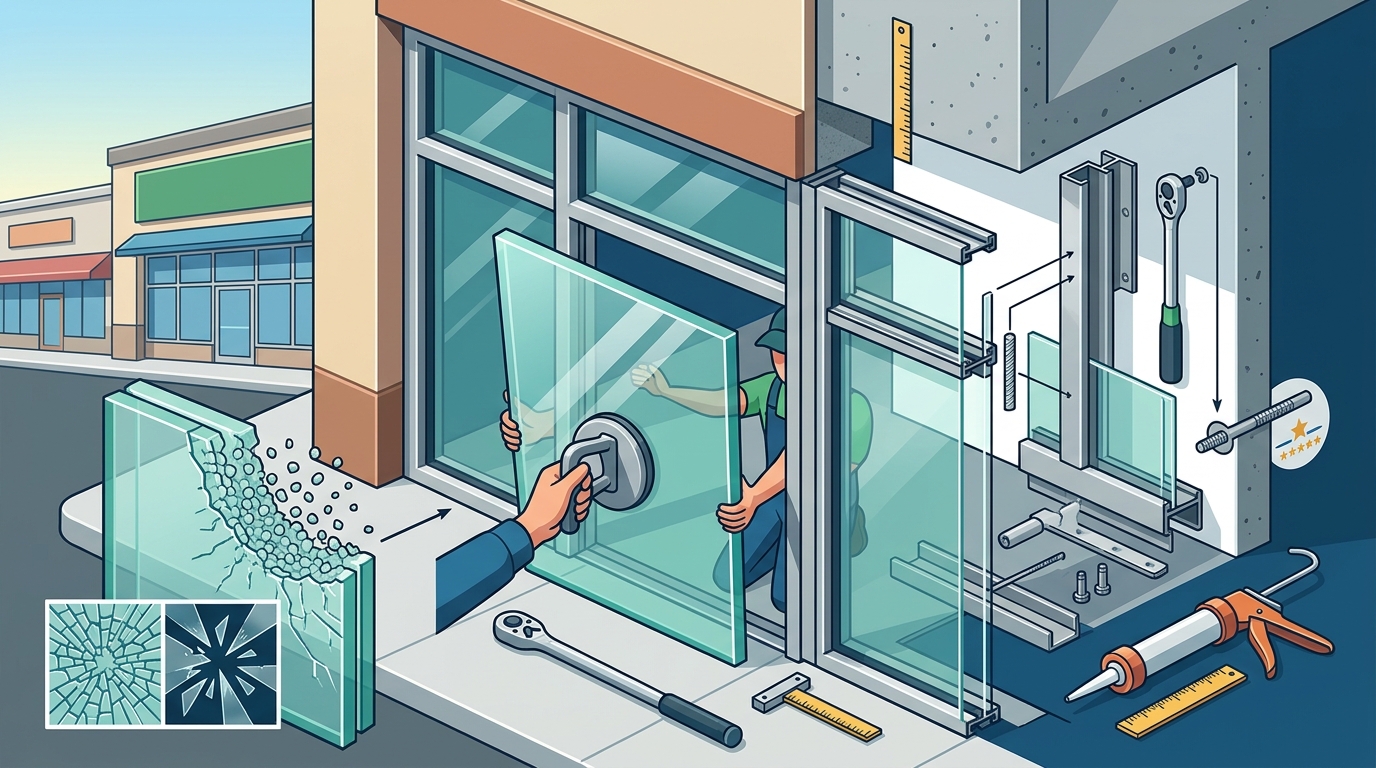
Safety is the most critical factor in choosing tempered glass for commercial applications. Building codes in the United States, including those enforced in Arizona, require safety glass in doors, sidelights, and large windows near walkways. Tempered glass is classified as a safety glass because of how it breaks. When it does fail, it shatters into small, granular chunks rather than sharp, jagged shards. This granular breakage pattern significantly reduces the risk of lacerations and serious injuries.
According to data from the Consumer Product Safety Commission, safety glass has reduced the number of injuries related to broken glass in public spaces. This statistic highlights the importance of compliance for business owners. Using non-compliant glass can lead to severe legal liabilities and fines. Vista Glass ensures that all commercial installations meet or exceed these federal and local safety standards.
The granular nature of tempered glass also aids in emergency egress. In the event of a fire or other emergency, the glass can be cleared more quickly and safely than standard glass. This feature is essential for maintaining safe exit routes in commercial buildings. The predictability of the breakage pattern allows for safer cleanup procedures, minimizing downtime for the business. This reliability is a cornerstone of professional commercial glass services.
Thermal Performance and Energy Efficiency
Tempered glass offers superior thermal performance compared to standard glass. The tempering process can be combined with other treatments to enhance its insulating properties. This is particularly important for commercial storefronts that are exposed to direct sunlight. High solar heat gain can increase cooling costs and create uncomfortable interior temperatures for customers and employees.
By using tempered glass, businesses can improve their energy efficiency. The glass can be paired with low-emissivity coatings to reflect heat while allowing natural light to enter. This balance helps maintain a consistent indoor climate. Reduced energy consumption leads to lower utility bills and a smaller carbon footprint. These savings can be substantial over the lifespan of the glass installation.
Additionally, tempered glass is more resistant to thermal stress. Standard glass can crack due to uneven heating, such as when one part of the pane is in the sun and another is in the shade. Tempered glass handles these temperature differentials much better. This resistance prevents unexpected breakage and extends the life of the installation. For businesses in hot climates, this thermal stability is a crucial operational benefit.
Impact Resistance and Security
Commercial storefronts are often targets for vandalism and break-ins. Tempered glass provides a higher level of impact resistance than standard glass. It can withstand significant force before breaking. This resistance acts as a deterrent to potential intruders. While no glass is unbreakable, the increased strength of tempered glass makes it much harder to penetrate.
Even when tempered glass does break, the small chunks are less likely to create a large opening that allows entry. This characteristic provides an additional layer of security for the business. It also protects the contents of the store from weather elements if the glass is compromised. Vista Glass offers various security options that can be integrated with tempered glass to further enhance protection.
The durability of tempered glass also means it is less susceptible to damage from everyday impacts. Items accidentally thrown against the glass or debris from storms are less likely to cause damage. This resilience reduces the need for frequent repairs and maintains the professional appearance of the storefront. Security and durability go hand in hand in commercial glass solutions.
Aesthetic Value and Modern Design
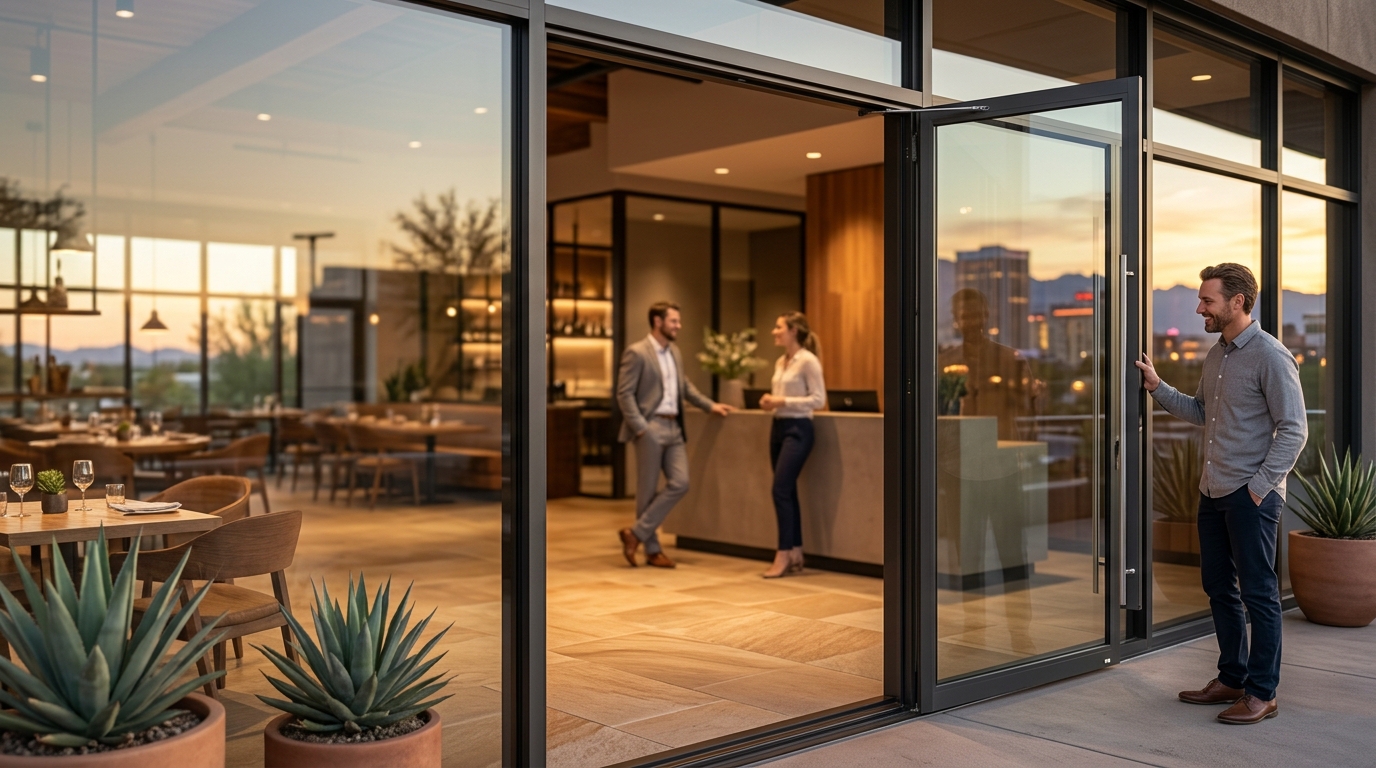
Modern commercial architecture favors clean lines and transparency. Tempered glass allows for these design elements while maintaining safety. It can be cut to precise dimensions and polished to a high clarity. This clarity enhances the visibility of the store interior, inviting customers to look inside.
The ability to use large, seamless panels creates a sleek and professional look. This aesthetic appeal can enhance the brand image of a business. A well-maintained storefront signals quality and attention to detail to potential customers. Vista Glass specializes in custom glass solutions that fit specific design requirements.
Tempered glass can also be tinted or frosted to provide privacy while maintaining light transmission. This versatility allows businesses to customize their storefronts to match their branding. The aesthetic benefits of tempered glass make it a popular choice for retail, office, and hospitality sectors. The combination of beauty and function is a key advantage.
Comparison of Glass Types for Storefronts
Understanding the differences between glass types helps in making an informed decision. The table below compares standard annealed glass, tempered glass, and laminated glass for commercial storefronts.
| Feature | Standard Annealed Glass | Tempered Glass | Laminated Glass |
|---|---|---|---|
| Strength | Low | High (4-5x stronger) | Very High |
| Breakage Pattern | Sharp, jagged shards | Small, granular chunks | Cracks but holds together |
| Safety Compliance | Often Non-Compliant | Compliant | Compliant |
| Thermal Resistance | Low | High | High |
| Security | Low | Medium | High |
As shown in the table, tempered glass offers a balanced combination of strength, safety, and cost-effectiveness. While laminated glass offers superior security, tempered glass is often the preferred choice for general storefronts due to its cost efficiency and safety profile. Vista Glass can help businesses choose the right option based on their specific needs.
Key Takeaways
- Enhanced Safety: Tempered glass breaks into small, granular pieces, significantly reducing injury risk compared to standard glass.
- Regulatory Compliance: It meets building codes for hazardous locations, ensuring legal safety standards are upheld.
- Increased Strength: The tempering process makes the glass four to five times stronger than annealed glass.
- Thermal Stability: It resists thermal stress and can be coated for better energy efficiency.
- Impact Resistance: Higher resistance to breakage provides better security against vandalism and accidents.
- Aesthetic Flexibility: Allows for large, clear panels that enhance modern storefront design.
- Long-Term Value: Durability reduces maintenance costs and extends the lifespan of the installation.
Frequently Asked Questions
Is tempered glass required by law for commercial storefronts?
Yes, building codes in most jurisdictions, including Arizona, require safety glass in doors and large windows near walkways. Tempered glass is a primary form of compliant safety glass.
How does tempered glass differ from laminated glass?
Tempered glass is heat-treated to increase strength and breaks into small chunks. Laminated glass consists of layers bonded with a plastic interlayer and holds together when broken. Both are safety glasses but serve different security needs.
Can tempered glass be cut after it has been tempered?
No. Once glass is tempered, it cannot be cut, drilled, or edged. Any modifications must be made before the tempering process. This is why precise measurements are critical during installation.
Does tempered glass offer UV protection?
Standard tempered glass does not block all UV rays. However, it can be coated with low-emissivity or UV-blocking films to protect interior merchandise from sun damage.
How long does tempered glass last?
Tempered glass is highly durable and can last for decades if not subjected to extreme impact. Its lifespan is significantly longer than standard glass due to its resistance to thermal stress and weathering.
What is the cost difference between tempered and standard glass?
Tempered glass is more expensive than standard glass due to the additional processing required. However, the cost is justified by its safety benefits and durability.
Can I get tempered glass in custom colors or tints?
Yes, tempered glass can be produced in various tints and colors. This allows businesses to match their branding while maintaining safety standards.
Contact Vista Glass for Expert Installation
Ensuring your commercial storefront is safe, compliant, and aesthetically pleasing requires professional expertise. Vista Glass provides top-quality commercial glass services tailored to your specific needs. Our team of experts uses advanced techniques and premium materials to deliver reliable solutions. We prioritize quick turnaround times without compromising on quality. Contact us today to schedule a consultation and learn more about our services. Visit our Contact Us page or call 520-744-7766 to get started.