
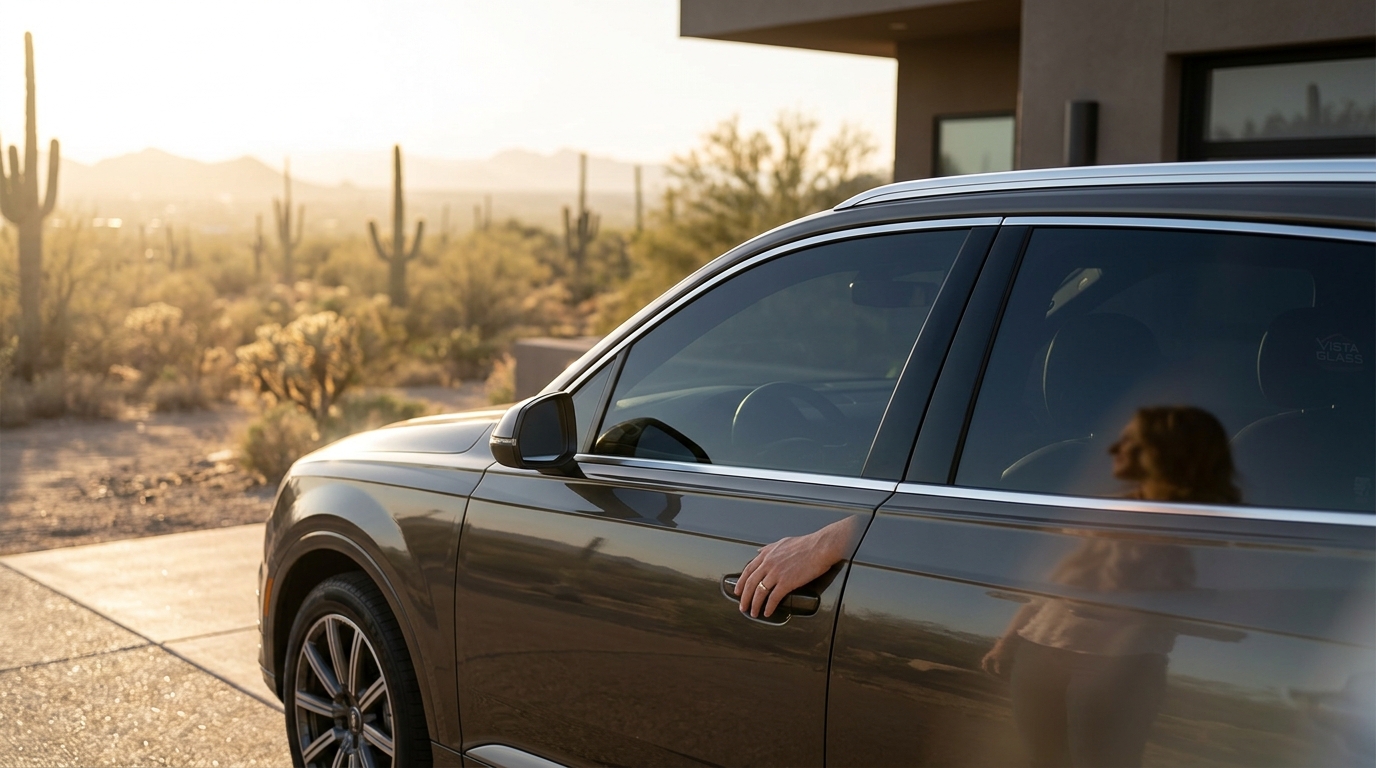
Arizona is known for its relentless sun, with the state averaging over 300 days of sunshine annually. This intense solar radiation makes vehicle window tinting not just a style choice, but a critical component of automotive comfort and safety. According to the U.S. Energy Information Administration, states in the Southwest account for the highest residential and commercial cooling costs in the nation due to solar heat gain. Professional tinting significantly reduces this load, protecting your interior and your health. At Vista Glass, we specialize in high-performance window tinting that complies with state laws while delivering maximum protection for your vehicle in Tucson. (About Vista Glass)
Arizona Window Tint Laws Explained
Before investing in window tinting, it is essential to understand the legal framework in Arizona. The state has strict regulations regarding Visible Light Transmission (VLT) percentages to ensure driver visibility and law enforcement safety. Violating these laws can result in fines and mandatory removal of the tint. (Location Vista Glass)
Windshield Regulations: Arizona law permits a non-reflective tint on the windshield, but it must be applied only to the top six inches (often called the "AS-1 line"). The rest of the windshield must remain clear to ensure unobstructed vision.
Side Windows: For sedans, SUVs, and vans, the law allows any darkness of tint on the side windows. This means you can legally have limousine-style tint on your rear and front side windows if you choose. However, the tint must not be reflective.
Reflectivity Rules: Regardless of the VLT percentage, the tint film cannot be highly reflective. Arizona prohibits tint that reflects more than a specific percentage of light, ensuring that other drivers are not blinded by glare.
While the law is permissive for side windows, it is crucial to have your tint professionally inspected. Vista Glass ensures that every installation meets or exceeds state compliance standards, providing you with peace of mind while driving through Tucson.
Key Benefits of Professional Tinting
Window tinting offers functional advantages that extend far beyond aesthetics. In a desert climate like Tucson, these benefits are amplified by the extreme temperatures and UV exposure.
Heat Rejection: High-quality window films can reject up to 60% of solar energy. This keeps the interior of your vehicle cooler, reducing the reliance on air conditioning and improving fuel efficiency. According to the Department of Energy, reducing solar heat gain through windows can lower cooling costs by 7-24%.
UV Protection: Prolonged exposure to ultraviolet rays can cause skin damage and increase the risk of skin cancer. Professional tinting blocks 99% of harmful UV rays, protecting both your skin and your vehicle's interior materials from fading and cracking.
Glare Reduction: Driving in bright sunlight can be hazardous. Tint reduces glare from the sun and headlights, improving visibility and reducing eye strain during long drives on Arizona highways.
Privacy and Security: Tinted windows provide an additional layer of privacy for your belongings and personal space. This can deter theft by making it difficult for outsiders to see valuables left in your car.
Comparing Tint Film Technologies
Not all window tints are created equal. Understanding the different technologies available will help you make an informed decision based on your budget and performance needs.
| Tint Type | Heat Rejection | UV Protection | Signal Interference | Best For |
|---|---|---|---|---|
| Dyed Film | Moderate | High | None | Budget-conscious owners seeking aesthetics |
| Carbon Film | High | High | None | Long-lasting durability and matte finish |
| Ceramic Film | Very High | 99% | None | Maximum heat rejection and clarity |
| Crystalline Film | Extreme | 99% | None | High-performance without darkening |
Dyed Film is the most affordable option, providing good privacy and glare reduction. However, it may fade over time and offers less heat rejection compared to other types.
Carbon Film uses carbon particles to block heat and UV rays. It is non-fading and does not interfere with electronic signals, making it a popular mid-range choice.
Ceramic Film is the premium option, utilizing ceramic nanoparticles to reject heat without blocking radio or GPS signals. It offers the best clarity and durability, making it ideal for Tucson's harsh climate.
How to Choose a Tinting Provider
Selecting the right provider is as important as choosing the right film. In Tucson, the expertise of the installer directly impacts the longevity and appearance of your tint.
Experience and Reputation: Look for a company with a long history in the community. Vista Glass has been serving Cochise and Pima County since 2000, building a reputation for quality and reliability. Check reviews and ask for references to ensure consistent service.
Warranty Coverage: A reputable provider will offer a warranty on both the film and the installation. This protects you against bubbling, peeling, or discoloration. Ensure the warranty is transferable if you plan to sell your vehicle.
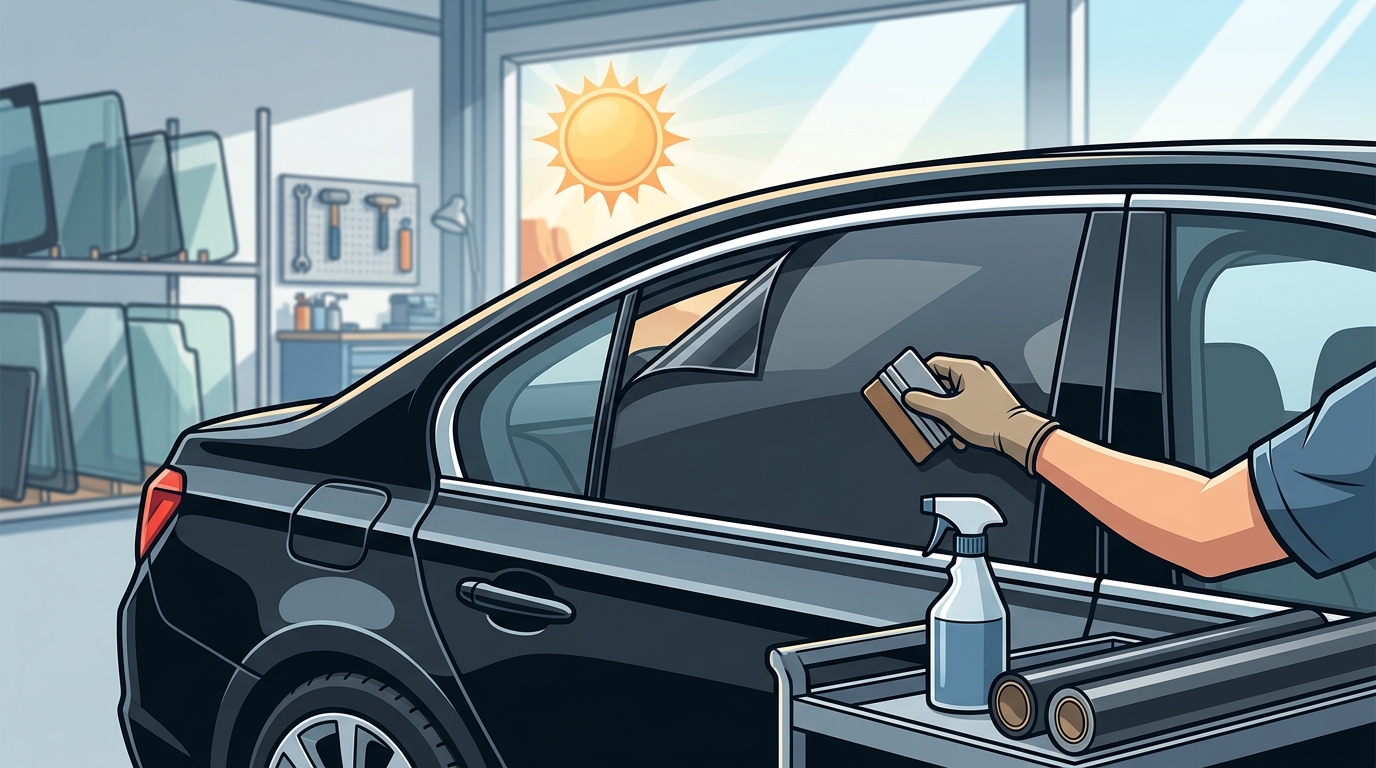
Installation Process: Professional installers use clean rooms and precision tools to ensure a bubble-free finish. Ask about their process for edge wrapping and trimming to guarantee a seamless look.
Customer Service: Choose a provider that offers clear communication and transparent pricing. Vista Glass is fully licensed, bonded, and insured, providing 24/7 emergency service and dedicated support for all your glass needs.
Frequently Asked Questions
What is the legal tint limit for car windows in Arizona?
Arizona law allows any darkness of tint on the side windows of sedans, SUVs, and vans. The windshield can only have non-reflective tint on the top six inches. There are no specific VLT percentage requirements for side windows, but the tint must not be reflective.
How long does it take to get window tint installed?
Most professional window tinting installations take between two to four hours, depending on the number of windows and the type of film used. Complex vehicles or ceramic films may take slightly longer to ensure precision.
Can I drive my car immediately after tinting?
It is generally recommended to wait 24 to 48 hours before rolling down your windows to allow the film to adhere properly. This prevents bubbling and peeling during the curing process.
Does window tint interfere with GPS or cell signals?
Standard dyed or carbon films do not interfere with electronic signals. However, some metallic films can block GPS and radio signals. Ceramic and crystalline films are non-metallic and will not interfere with your devices.
How do I clean my newly tinted windows?
Avoid using ammonia-based cleaners, as they can damage the tint film. Use a soft cloth and a mild, ammonia-free cleaner. Do not roll down your windows until the film has fully cured, typically 3-7 days.
Is window tinting worth it in a hot climate like Tucson?
Yes, window tinting is highly beneficial in Tucson. It significantly reduces interior heat, protects against UV rays, and improves comfort. This can lead to lower air conditioning usage and extended life of your vehicle's interior.
What is the difference between ceramic and carbon tint?
Ceramic tint offers superior heat rejection and clarity compared to carbon tint. Carbon tint is durable and non-reflective but does not reject heat as effectively as ceramic. Both are non-metallic and do not interfere with signals.
Schedule Your Professional Window Tinting Today
Don't let the Arizona sun damage your vehicle or compromise your comfort. Vista Glass offers expert window tinting services tailored to your needs and budget. Our team of skilled technicians ensures a flawless installation that complies with all state regulations. Contact us today to schedule your appointment and experience the difference of professional tinting. Visit our Contact Us page or call 520-744-7766 to get started.