

How to Maintain Glass Replacement Windows to Extend Their Lifespan
Proper maintenance of replacement windows is not merely a cosmetic concern but a critical component of home preservation. According to the U.S. Department of Energy, windows account for approximately 30% of a home's residential energy loss, meaning that compromised seals or frames directly impact your utility bills and indoor comfort. Neglecting routine care can lead to premature failure of seals, resulting in foggy glass and reduced insulation efficiency. By implementing a structured maintenance routine, homeowners can significantly extend the operational life of their glass installations while preserving the aesthetic integrity of their property.
Understanding Window Mechanisms
To effectively maintain your windows, you must first understand how they function. Window mechanisms are the internal components that allow for opening, closing, and locking. These include hinges, locks, balances, and sashes. When these parts are ignored, they can corrode or wear out, leading to windows that stick or fail to seal properly. Regularly checking these components ensures that the physical structure of the window remains intact and operational.
Modern replacement windows often utilize advanced materials such as vinyl, fiberglass, or composite wood. Each material has specific maintenance requirements. For instance, vinyl frames are resistant to rot but can become brittle in extreme cold. Understanding the material composition of your specific window replacement units allows you to tailor your care approach effectively.
Cleaning Best Practices
Cleaning is the most frequent maintenance task, but it must be done correctly to avoid damage. Proper cleaning preserves the clarity and structural integrity of the glass surface. Using abrasive tools or harsh chemicals can scratch the glass or degrade the protective coatings applied during manufacturing.
Choosing the Right Cleaners
Avoid ammonia-based cleaners on tinted glass or certain types of window films, as they can cause peeling or discoloration. Instead, use a mild soap solution or a vinegar-water mixture. For stubborn stains, a non-abrasive sponge is sufficient. Never use steel wool or harsh scouring pads.
Frame Cleaning
Frames accumulate dirt, pollen, and grime, which can trap moisture and lead to mold or rot, especially in wooden frames. Wipe down frames regularly with a damp cloth. For vinyl or aluminum frames, a soft brush can help remove dirt from crevices. Ensure that the drainage channels at the bottom of the frame are clear of debris to prevent water buildup.
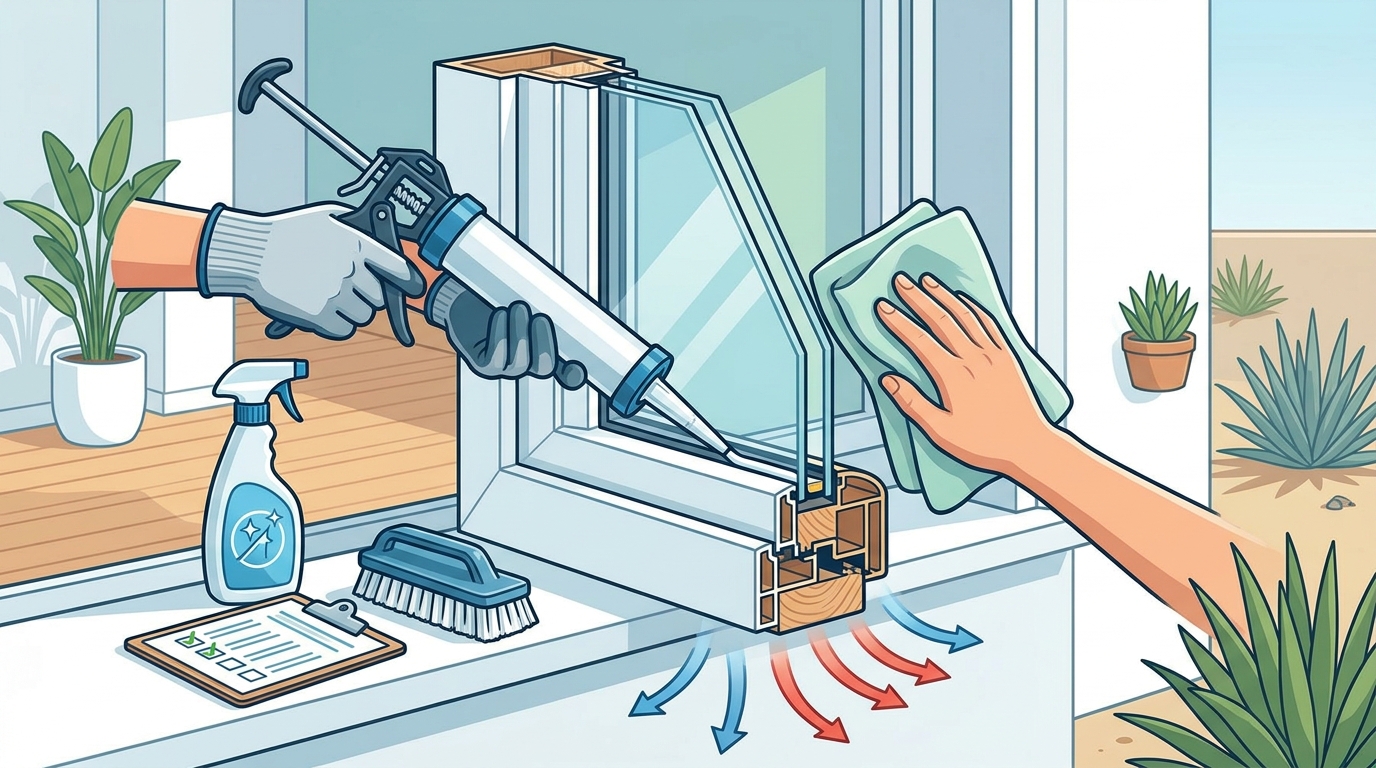
Seal and Frame Inspection
The integrity of the window seal is paramount for energy efficiency and longevity. Window seals prevent air and moisture infiltration between the glass panes. When these seals fail, moisture enters the space between the panes, causing fogging that cannot be cleaned from the inside.
Identifying Seal Failure
Look for condensation or fogging between the glass layers. This is a definitive sign of seal failure. If you notice this, it is time to contact professionals for glass replacement services. Attempting to repair sealed units yourself is rarely effective and can void warranties.
Frame Integrity Checks
Inspect the frames for signs of warping, cracking, or rot. In wooden frames, check for peeling paint or soft spots that indicate water damage. Addressing these issues early prevents further deterioration of the window structure. Regular inspections should be part of your seasonal home maintenance routine.
Hardware Lubrication
Moving parts require regular lubrication to function smoothly and prevent wear. Lubrication reduces friction and prevents corrosion in window hardware. Without it, locks and hinges can seize up, making windows difficult to operate and potentially damaging the frame.
Types of Lubricants
Use a silicone-based lubricant or a dry Teflon spray. Avoid oil-based lubricants like WD-40, as they can attract dust and dirt, leading to a gummy residue that impedes movement. Apply the lubricant to hinges, locks, and sliding tracks. Wipe away any excess to prevent staining.
Lock Maintenance
Ensure that all locks engage securely. If a lock feels stiff, clean it with a soft brush and apply a small amount of lubricant. Test the lock repeatedly to ensure smooth operation. Secure locks are essential for home security and proper window sealing.
Weatherproofing Maintenance
External weather conditions can accelerate wear on windows. Weatherproofing protects the window assembly from environmental damage. This includes protecting against UV radiation, rain, wind, and temperature fluctuations.
Sealant Inspection
Check the exterior caulking around the window frame. Cracked or missing caulk allows water to seep into the wall structure, causing rot and mold. Reapply high-quality exterior caulk as needed to maintain a watertight seal.
Shade and Protection
Excessive sun exposure can fade window treatments and degrade frame materials. Use blinds, curtains, or UV-protective window films to shield your windows from direct sunlight. This not only protects the window but also reduces cooling costs by blocking heat gain.
Key Takeaways
- Regular cleaning with non-abrasive materials prevents surface damage and maintains clarity.
- Inspecting seals annually helps identify fogging issues before they worsen.
- Lubricating hardware with silicone-based products ensures smooth operation.
- Clearing drainage channels prevents water buildup and frame rot.
- Checking exterior caulking maintains the watertight integrity of the installation.
- Professional windshield replacement and glass services are available for complex repairs.
- Vista Glass offers home glass repair to address urgent needs.
Frequently Asked Questions
How often should I clean my replacement windows?
It is recommended to clean your windows at least twice a year, typically in the spring and fall. More frequent cleaning may be necessary in areas with high pollution or pollen counts.
Can I replace just the glass in a window?
Yes, in many cases, only the glass pane needs replacement if the frame is intact. However, if the seal has failed, the entire insulated glass unit may need to be replaced. Contact Vista Glass for an assessment.
What causes fogging between window panes?
Fogging is caused by the failure of the hermetic seal that traps gas between the panes. Moisture enters the space, condensing on the glass. This indicates the need for glass replacement.
Is it safe to use vinegar on all window types?
Vinegar is generally safe for glass and most frames. However, avoid using it on natural stone sills or certain types of wood finishes without testing a small area first.
How do I know if my window seals are failing?
Visible condensation or fogging between the panes is the primary indicator. You may also notice drafts or increased energy bills, suggesting poor insulation.
What is the best lubricant for window locks?
Silicone-based lubricants are the best choice because they do not attract dust or gum up over time. Avoid oil-based products.
When should I call a professional for window maintenance?
Call a professional if you notice broken seals, cracked glass, or frames that are severely warped or rotted. DIY repairs may not address the root cause.
Contact Vista Glass for Expert Window Care
Maintaining your windows is an investment in your home's comfort and value. If you require professional assistance with window replacement or home glass repair, Vista Glass is here to help. Our team of experts provides reliable service across Tucson and surrounding areas. Contact us today at 520-744-7766 or visit our contact page to schedule a consultation.