

Signs of a failing residential window seal: 7 critical indicators
Modern energy efficiency standards have shifted how homeowners view their property envelopes. According to the U.S. Department of Energy, windows account for approximately 25% to 30% of residential heating and cooling energy use. When the seal on a double-pane window fails, that efficiency drops precipitously, leading to higher utility bills and compromised indoor comfort. Recognizing the early warning signs of seal failure is crucial for maintaining your home's thermal integrity and preventing costly structural damage from moisture intrusion.
1. Persistent Fogging Between Panes
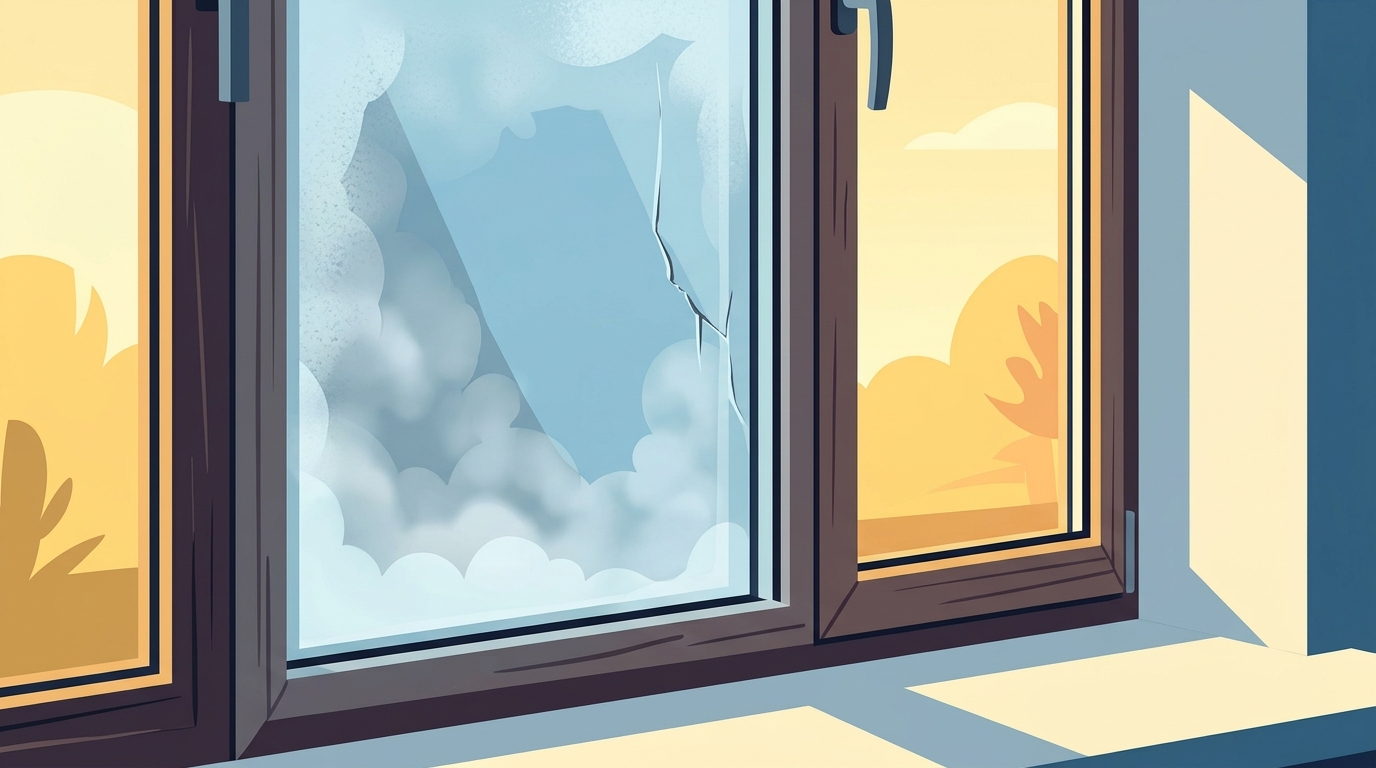
The most immediate and visible sign of a broken window seal is fogging or condensation trapped between the glass panes. This phenomenon occurs when the hermetic seal that keeps the insulating gas (such as argon or krypton) intact fails. Once the seal breaks, moisture from the outside air enters the space between the glass layers. Unlike surface condensation, which wipes away, this fog is permanent and obscures visibility. Energy efficiency experts note that this loss of insulating gas significantly reduces the window's R-value, making it less effective at regulating indoor temperatures.
If you notice a hazy film that does not clear up with temperature changes, the desiccant material inside the spacer bar has likely become saturated. This is a definitive indicator that the unit is no longer performing its primary function of thermal insulation. Addressing this issue promptly can prevent further damage to the window frame and surrounding wall structures.
2. Condensation and Moisture Accumulation
While surface condensation is common in high-humidity environments, moisture appearing inside the sealed unit is a critical failure point. This internal moisture can lead to mold growth within the window assembly, which is difficult to remediate without replacing the glass. Over time, this trapped moisture can also cause corrosion on the metal spacers and glass edges, weakening the structural integrity of the window.
Homeowners should distinguish between external condensation, which often indicates high indoor humidity, and internal condensation, which signals seal failure. The EPA highlights that managing indoor humidity levels is vital for health, but internal window condensation is a mechanical failure that requires professional intervention. Ignoring this sign can lead to rot in wooden frames and damage to adjacent drywall or flooring.
3. Noticeable Drafts and Air Leaks
Another significant sign of failing window components is the presence of drafts. Even if the glass seal is intact, the weatherstripping and overall window assembly can degrade over time. However, a broken glass seal often accompanies a compromised frame, leading to air infiltration. You can detect these leaks by holding a lit candle or incense stick near the window edges; if the smoke wavers or is blown away, there is a draft.
These air leaks force your HVAC system to work harder to maintain the desired temperature. Energy Star reports that properly sealed and insulated windows can reduce energy bills by up to 12% on average. Conversely, failing seals negate these benefits, leading to noticeable spikes in heating and cooling costs during extreme weather seasons.
4. Frame and Sill Degradation
When window seals fail, moisture often migrates to the frame and sill. Wooden frames are particularly susceptible to rot, warping, and swelling when exposed to persistent moisture. Vinyl frames may become brittle or discolored. If you notice the window sticking, becoming difficult to open or close, or if the paint is peeling around the frame, it is a strong indicator of underlying seal failure and moisture damage.
Structural integrity is paramount. A compromised frame can lead to gaps that allow water intrusion into the wall cavity, potentially causing mold and structural decay. Home inspection standards emphasize that evaluating the condition of window frames is a critical part of assessing a home's overall envelope health. Early detection of frame issues can save homeowners from extensive renovation costs.
5. Increased Exterior Noise Levels
Double-pane windows are designed to provide acoustic insulation. When the seal fails and the insulating gas escapes, the window's ability to dampen sound diminishes. If you suddenly notice that traffic, lawn care, or neighborhood noise is more audible inside your home, the window's acoustic properties have likely been compromised.
This loss of soundproofing affects the comfort and quiet enjoyment of your living space. While not a structural failure, it is a clear indicator that the window is no longer performing as engineered. Upgrading to high-performance windows can restore both thermal and acoustic efficiency, creating a more peaceful indoor environment.
6. Repair vs. Replacement Analysis
When facing seal failure, homeowners often wonder if the glass unit can be repaired. In most cases, sealed insulating glass units (IGUs) cannot be repaired; they must be replaced. However, if the frame is also damaged, a full window replacement is necessary. The following table outlines the key differences between these options.
| Service Type | Scope of Work | Best For | Long-Term Value |
|---|---|---|---|
| Glass Replacement | Replacing only the insulating glass unit within the existing frame | Intact frames with broken seals | High, if frame is in good condition |
| Full Window Replacement | Removing the entire window assembly and installing a new unit | Damaged frames or outdated styles | Very High, improves energy and aesthetics |
| Home Glass Repair | Minor fixes to glass or frame components | Cracks or minor hardware issues | Moderate, temporary solution |
Choosing the right service depends on the extent of the damage. Better Business Bureau guidelines suggest that homeowners should verify the credentials and insurance of any contractor performing window work to ensure quality and safety.
7. Key Takeaways
- Fogging between panes is a permanent sign of seal failure and requires glass replacement.
- Internal condensation can lead to mold growth and frame rot if left unaddressed.
- Drafts and increased energy bills are common indicators of compromised window insulation.
- Frame degradation, such as warping or peeling paint, often accompanies seal failure.
- Increased noise levels indicate a loss of acoustic insulation due to gas leakage.
- Glass replacement is viable only if the frame is structurally sound.
- Professional assessment is crucial to determine the best course of action for your specific situation.
8. Frequently Asked Questions
Can a broken window seal be repaired?
In most cases, the insulating glass unit itself cannot be repaired. The sealed unit must be removed and replaced with a new one. If the frame is also damaged, a full window replacement is necessary.
How long do window seals last?
Window seals typically last between 10 and 20 years, depending on the quality of the installation, the materials used, and the local climate conditions. Extreme temperature fluctuations can accelerate seal failure.
Does foggy glass affect the window's energy efficiency?
Yes, significantly. When the seal fails, the insulating gas (argon or krypton) escapes and is replaced by air, which has lower insulating properties. This leads to higher energy bills and reduced comfort.
Is internal condensation the same as external condensation?
No. External condensation occurs on the outside of the window and is often due to high humidity and cool temperatures. Internal condensation between the panes indicates a broken seal and moisture intrusion into the unit.
What should I do if I notice drafts around my windows?
First, check the weatherstripping and caulking. If those are intact but drafts persist, the window frame or glass seal may be compromised. A professional inspection can identify the exact source of the leak.
Can I replace just the glass in my windows?
Yes, if the window frame is in good condition, you can replace just the insulating glass unit. This is often more cost-effective than a full window replacement. Vista Glass offers professional glass replacement services for Tucson homeowners.
How do I know if my window frame is rotting?
Signs of rot include soft wood, discoloration, peeling paint, and a spongy feel when pressed. If you suspect rot, it is important to address it quickly to prevent further structural damage.
9. Contact Vista Glass for Expert Service
If you are experiencing any of these signs of window failure, do not wait for the damage to worsen. Vista Glass provides professional window replacement and repair services in Tucson and surrounding areas. Our team is fully licensed, bonded, and insured, ensuring you receive top-quality service. Contact us today at 520-744-7766 to schedule an inspection and restore your home's efficiency and comfort.