
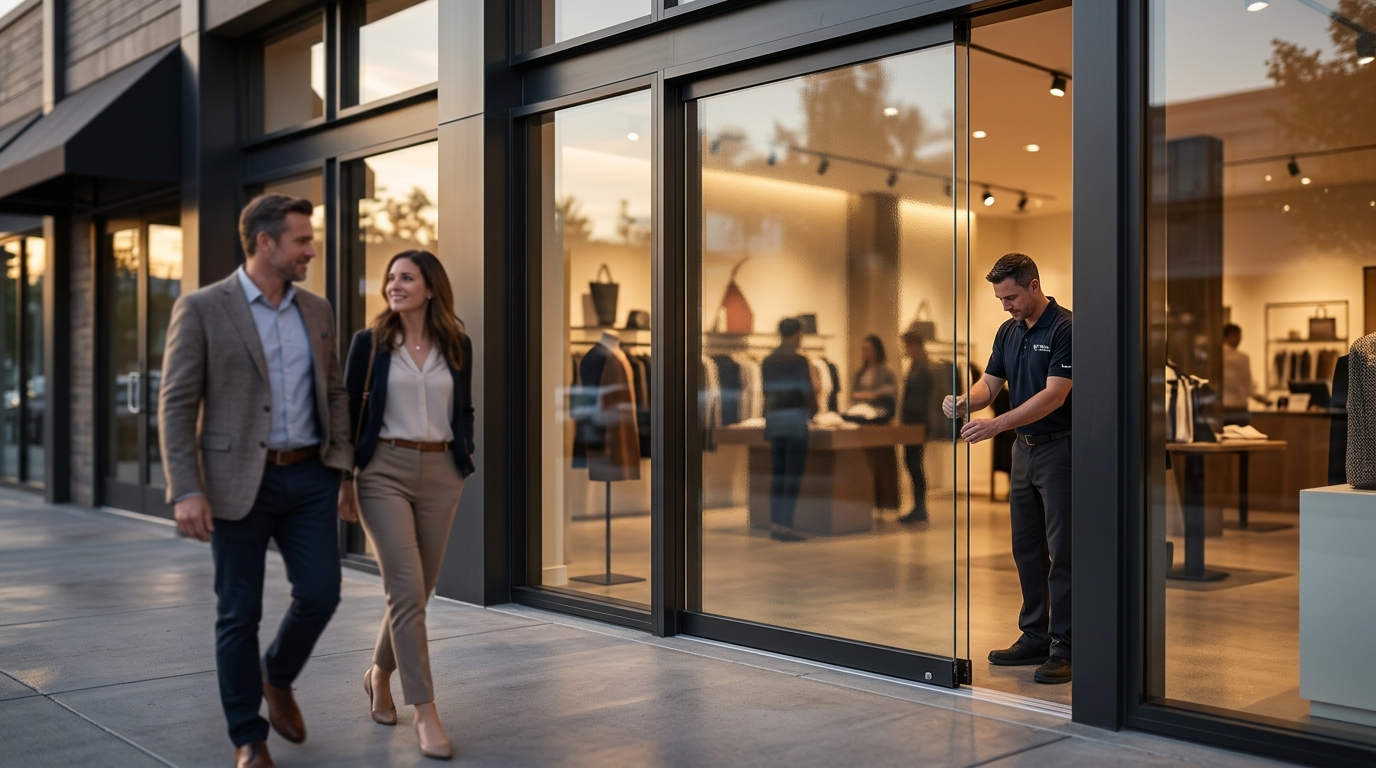
Benefits of Tempered Glass Replacement for Commercial Storefronts
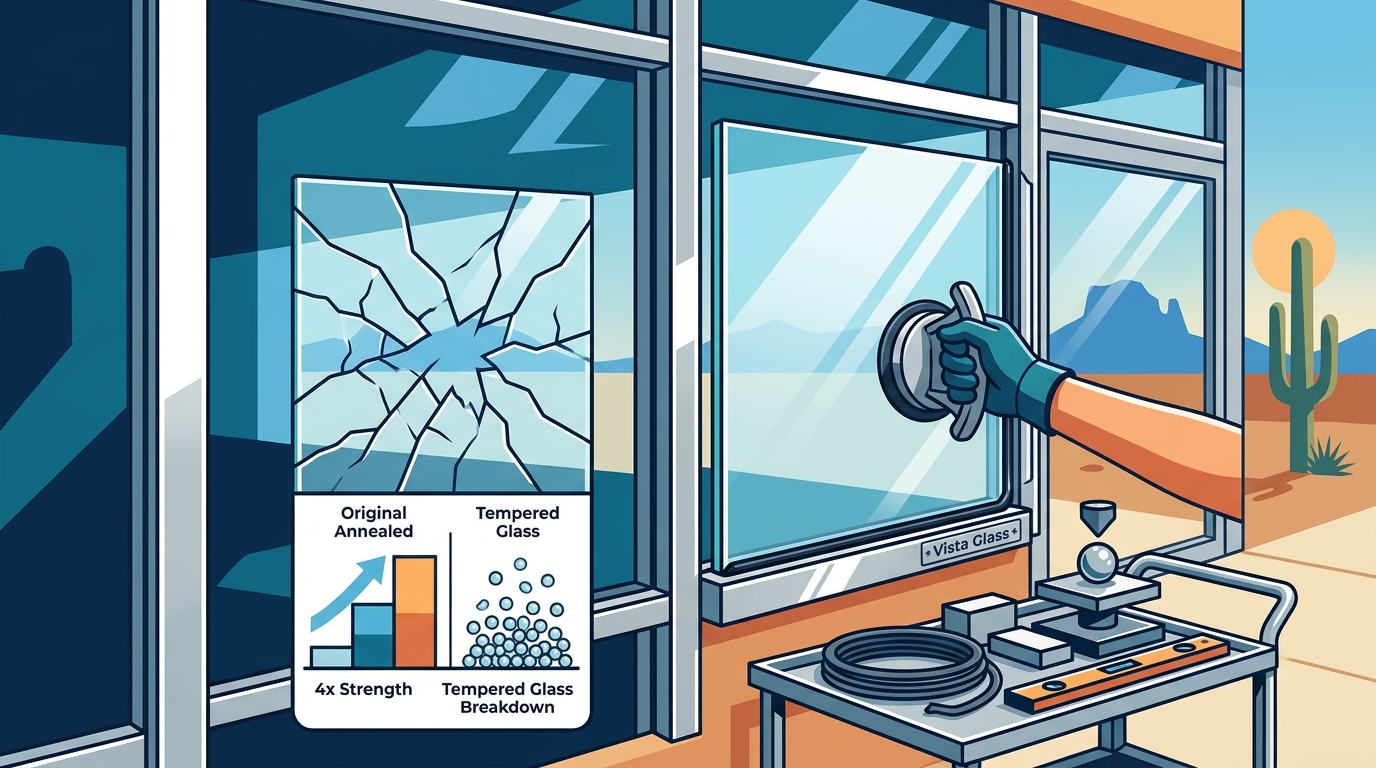
Commercial property owners face unique challenges when it comes to maintaining the integrity of their storefronts. One critical decision is choosing the right glass material for replacement. Tempered glass, also known as toughened glass, has become the industry standard for commercial applications due to its superior strength and safety features. According to the Glass Association of North America, tempered glass is up to four times stronger than annealed glass of the same thickness and weight. This increased durability makes it an ideal choice for high-traffic commercial environments where safety and longevity are paramount. (About Vista Glass)
Safety Features and Breakage Patterns
The primary benefit of using tempered glass for commercial storefronts is its enhanced safety profile. Tempered glass is processed through a specialized heating and cooling process that creates surface compression and internal tension. This process fundamentally changes how the glass behaves when it breaks. Unlike standard annealed glass, which shatters into large, sharp, and dangerous shards, tempered glass breaks into small, granular pieces. These pieces are less likely to cause serious injury, making it a critical safety feature for public spaces. (Blog Vista Glass)
Tempered glass is defined as glass that has been thermally or chemically treated to increase its strength and alter its breakage pattern. This definition is crucial for understanding why it is mandated by building codes in many jurisdictions for commercial applications. The Occupational Safety and Health Administration highlights the importance of using safety glazing materials in hazardous locations to prevent injury. By choosing tempered glass, business owners ensure compliance with these safety standards while protecting their customers and employees. (Location Vista Glass)
Furthermore, the granular breakage pattern reduces the risk of liability claims. In the event of an accident, the likelihood of severe cuts or lacerations is significantly lower compared to standard glass. This peace of mind is invaluable for property managers and business owners who prioritize the well-being of their patrons.
Durability and Impact Resistance
Commercial storefronts are subjected to various forms of physical stress, including accidental impacts from shopping carts, debris, or even vandalism. Tempered glass offers superior impact resistance compared to annealed glass. It can withstand much higher levels of force before breaking, making it an excellent choice for high-traffic areas. This durability extends the lifespan of the glass, reducing the frequency of replacements and associated costs.
The increased strength of tempered glass also allows for larger pane sizes. In architectural design, larger glass panels create a more open and inviting storefront. This is particularly beneficial for retail spaces that rely on visibility to attract customers. The Architectural Glass Association notes that tempered glass enables designers to create expansive glass facades without compromising structural integrity.
Additionally, tempered glass is more resistant to thermal stress. This means it can handle temperature fluctuations better than standard glass, reducing the risk of spontaneous breakage due to heat buildup. This is especially important for storefronts exposed to direct sunlight or located in regions with extreme weather conditions.
Thermal Stability and Energy Efficiency
While tempered glass itself does not inherently provide insulation, its compatibility with modern glazing systems enhances energy efficiency. Tempered glass is often used in conjunction with low-emissivity (low-E) coatings and insulated glass units (IGUs). These combinations help regulate indoor temperatures by reducing heat transfer. This leads to lower energy bills for heating and cooling, contributing to overall operational savings.
According to the U.S. Department of Energy, upgrading to energy-efficient windows and glass can reduce energy usage by up to 15 percent. Tempered glass plays a vital role in this upgrade by providing a durable base for these advanced coatings. Its resistance to thermal stress ensures that the glass remains intact even under significant temperature differentials, maintaining the integrity of the seal in insulated units.
Moreover, the durability of tempered glass means it is less likely to develop micro-cracks or chips over time. These defects can compromise the insulating properties of glass units. By choosing tempered glass, business owners ensure that their storefronts maintain their energy efficiency ratings for a longer period.
Cost-Effectiveness and Maintenance
Although tempered glass may have a higher initial cost than annealed glass, its long-term cost-effectiveness is undeniable. The increased durability and impact resistance mean fewer replacements are needed over the life of the building. This reduces labor costs and material expenses associated with frequent repairs. Additionally, the safety benefits reduce potential liability costs, which can be substantial in the event of an injury.
Maintenance of tempered glass is also straightforward. It is resistant to scratches and chemical corrosion, making it easy to clean and maintain. This durability ensures that the glass retains its clarity and appearance for years, preserving the aesthetic appeal of the storefront. The Glass Association of North America provides guidelines on maintaining tempered glass to ensure its longevity and performance.
Furthermore, the reduced need for repairs means less disruption to business operations. Frequent glass replacements can be costly in terms of lost revenue and customer inconvenience. By investing in tempered glass, business owners minimize these disruptions and maintain a professional image.
Aesthetic Advantages and Design Flexibility
Tempered glass offers significant aesthetic benefits for commercial storefronts. It can be produced in various sizes and shapes, allowing for greater design flexibility. This is particularly useful for creating unique architectural features that enhance the brand identity of a business. The clarity of tempered glass ensures that the storefront remains bright and inviting, attracting more customers.
Additionally, tempered glass can be tinted or coated to reduce glare and UV radiation. This not only improves the comfort of the interior space but also protects merchandise from sun damage. The Energy Star program recognizes the benefits of UV-protective glass in preserving interior assets and improving occupant comfort.
The sleek and modern appearance of tempered glass aligns with contemporary architectural trends. It provides a clean, seamless look that enhances the overall curb appeal of the property. This aesthetic advantage can contribute to a positive brand perception and increased foot traffic.
Tempered vs. Annealed Glass Comparison
Understanding the differences between tempered and annealed glass is crucial for making an informed decision. The table below summarizes the key distinctions.
| Feature | Tempered Glass | Annealed Glass |
|---|---|---|
| Strength | 4-5 times stronger | Standard strength |
| Breakage Pattern | Small, granular pieces | Large, sharp shards |
| Safety Rating | High (Safety Glazing) | Low |
| Thermal Resistance | High | Low |
| Cost | Higher initial cost | Lower initial cost |
| Long-Term Value | High (Durability) | Lower (Frequent Replacement) |
As shown in the table, tempered glass offers superior performance in almost every category relevant to commercial applications. The higher initial investment is offset by the long-term benefits of safety, durability, and reduced maintenance.
Key Takeaways
- Tempered glass is up to four times stronger than annealed glass, providing enhanced safety for commercial environments.
- When broken, tempered glass shatters into small, granular pieces, significantly reducing the risk of injury.
- It is resistant to thermal stress, making it suitable for storefronts exposed to extreme temperature fluctuations.
- Tempered glass allows for larger pane sizes, enabling modern architectural designs with expansive glass facades.
- Its durability reduces the frequency of replacements, leading to long-term cost savings for business owners.
- Compliance with building codes for safety glazing is often mandatory for commercial storefronts, which tempered glass satisfies.
- Vista Glass has been serving the Cochise and Pima County communities since 2000, providing expert commercial glass solutions.
Frequently Asked Questions
Is tempered glass required by building codes for commercial storefronts?
Yes, most building codes require the use of safety glazing materials, such as tempered glass, in hazardous locations like commercial storefronts. This is to ensure the safety of occupants and visitors.
How does tempered glass break compared to regular glass?
Tempered glass breaks into small, granular pieces that are less likely to cause injury. Regular annealed glass breaks into large, sharp shards that can be dangerous.
Can tempered glass be cut after it has been tempered?
No, tempered glass cannot be cut, drilled, or altered after the tempering process. All measurements and cuts must be made before the glass is tempered.
Does tempered glass provide better insulation than regular glass?
Tempered glass itself does not provide insulation, but it is often used in insulated glass units (IGUs) with low-E coatings to enhance energy efficiency.
How long does tempered glass last?
Tempered glass is highly durable and can last for many years with proper maintenance. Its lifespan is significantly longer than that of annealed glass due to its resistance to impact and thermal stress.
Is tempered glass more expensive than regular glass?
Tempered glass typically has a higher initial cost than annealed glass. However, its durability and safety benefits often result in lower long-term costs due to reduced maintenance and replacement needs.
Can I get tempered glass in custom sizes for my storefront?
Yes, tempered glass can be manufactured in custom sizes to fit specific storefront requirements. It is important to ensure that all dimensions are accurate before the tempering process begins.
What maintenance does tempered glass require?
Tempered glass requires minimal maintenance. Regular cleaning with appropriate glass cleaners is sufficient to maintain its clarity and appearance. It is resistant to scratches and chemical corrosion.
Contact Vista Glass for Your Commercial Needs
Choosing the right glass for your commercial storefront is a critical decision that impacts safety, aesthetics, and operational efficiency. Tempered glass offers unparalleled benefits that make it the superior choice for business owners. Vista Glass, with over two decades of experience in Cochise and Pima County, is your trusted partner for all commercial glass needs. Our team of experts is dedicated to providing high-quality installations and repairs that meet the highest industry standards.
Do not compromise on safety or durability. Contact Vista Glass today to discuss your commercial glass replacement needs. Call us at 520-744-7766 or visit our contact page to schedule a consultation. Let us help you create a safe, beautiful, and efficient storefront for your business.