
Signs of a Failing Residential Window Seal: 7 Critical Indicators
Modern energy efficiency standards have shifted how homeowners view their property assets. According to the U.S. Department of Energy, windows account for approximately 25% to 30% of residential heating and cooling energy use. When a window seal fails, that efficiency drops precipitously, leading to higher utility bills and compromised indoor comfort. Recognizing the early warning signs of seal failure is crucial for maintaining your home's thermal envelope and preventing costly structural damage.
1. Persistent Fogging Between Panes
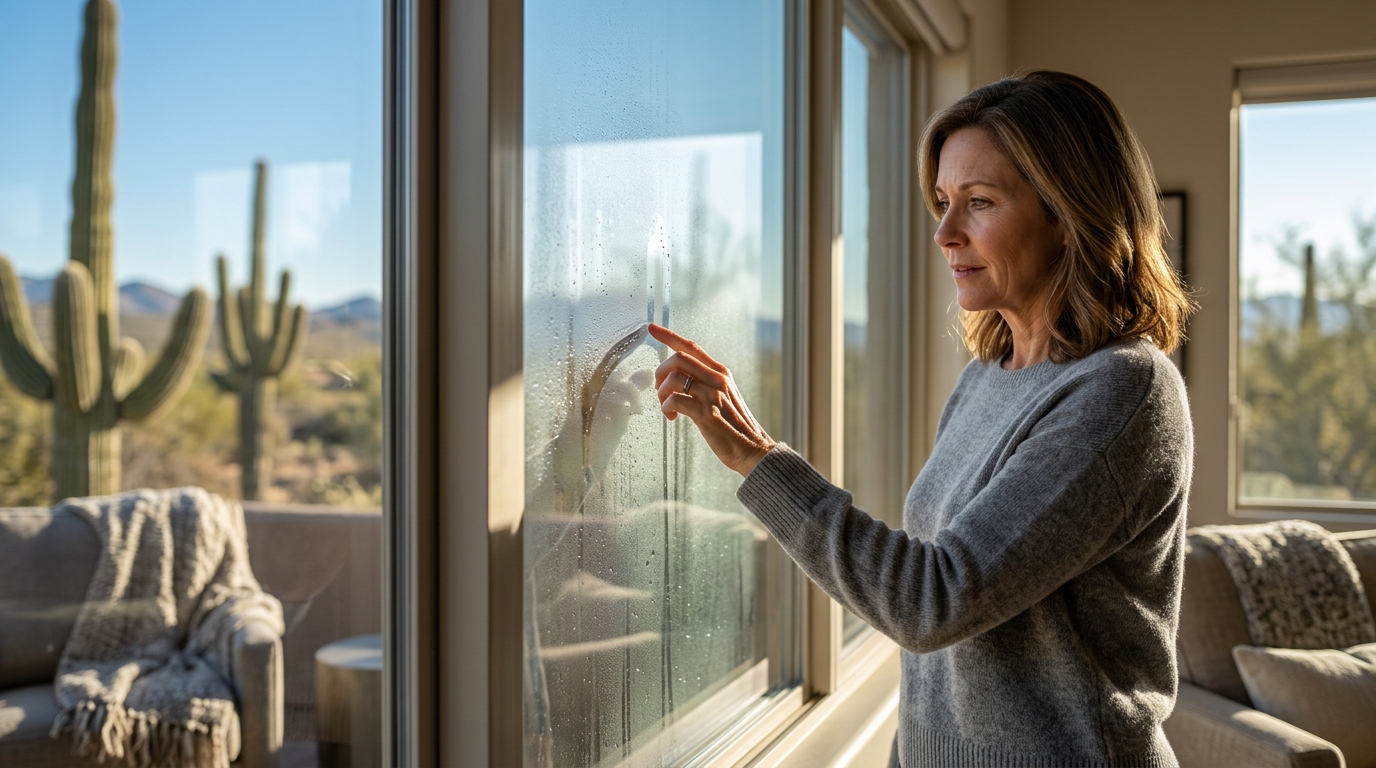
The most immediate and undeniable sign of a failing window seal is fogging or condensation trapped between the glass panes. This phenomenon occurs when the hermetic seal surrounding the insulated glass unit (IGU) breaks down. The sealant, typically a butyl rubber or silicone-based compound, is designed to keep the inert gas (argon or krypton) inside and moisture out. Once that barrier fails, ambient humidity enters the cavity.
Unlike surface condensation, which wipes away easily, fog between the panes is permanent. It indicates that the desiccant material inside the spacer bar has become saturated and can no longer absorb moisture. This is a definitive failure of the insulated glass unit. For residents in humid climates like Tucson, this process accelerates due to the high ambient moisture levels. If you notice this issue, professional window replacement is often the only permanent solution.
2. Condensation and Moisture Accumulation
While surface condensation is common in winter, excessive moisture accumulation around the window frame or on the sill suggests a more serious seal failure. When the primary seal fails, water can infiltrate the space between the glass and the frame. Over time, this moisture can lead to mold growth, wood rot, and deterioration of the window sash.
Homeowners should inspect the perimeter of the window for any signs of water staining or peeling paint. These are classic indicators that the weatherstripping or the glazing seal has compromised. Addressing this issue promptly prevents the spread of mold spores and protects the structural integrity of your window frames. Home glass repair services can assess the extent of the damage and determine if the frame needs restoration.
3. Noticeable Drafts and Air Leaks
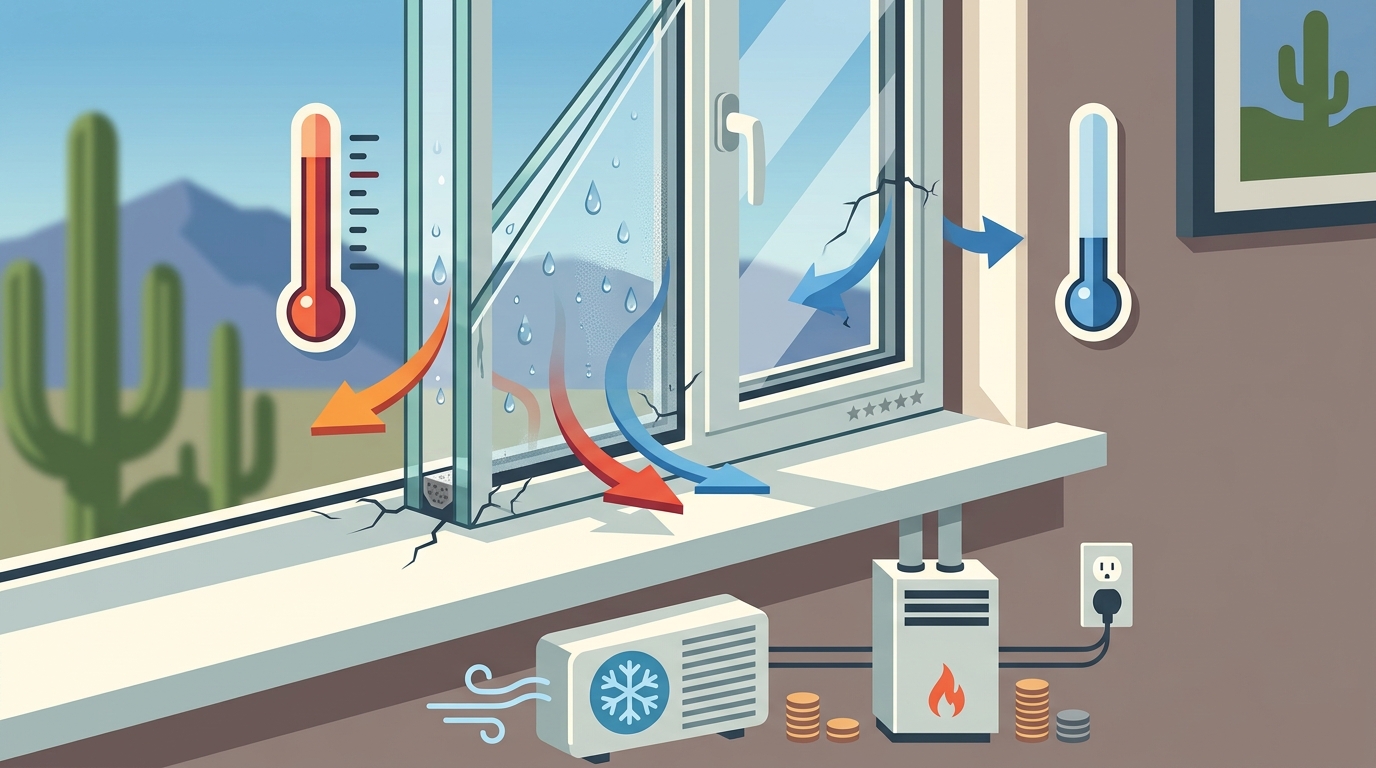
One of the primary functions of a window seal is to create an airtight barrier against the elements. When this seal fails, you will likely feel drafts coming through the window, even when it is closed. This air leakage forces your HVAC system to work harder to maintain the desired temperature, leading to increased energy consumption.
You can perform a simple test by holding a lit candle or an incense stick near the window edges on a windy day. If the smoke flickers or moves erratically, you have identified a leak. These drafts not only reduce comfort but also allow pollen, dust, and insects to enter your home. Sealing these gaps is critical for maintaining indoor air quality and thermal efficiency.
4. Frame Warping or Decay
The window seal also protects the frame from environmental exposure. When the seal fails, moisture and UV radiation can penetrate the frame material, causing it to warp, crack, or rot. Wooden frames are particularly susceptible to decay, while vinyl frames may become brittle and lose their structural rigidity.
Inspect your window frames regularly for any signs of physical deformation. A warped frame prevents the window from closing properly, which further exacerbates the seal failure. This creates a vicious cycle where the initial leak leads to structural damage, which then causes more leaks. Vista Glass has decades of experience diagnosing these complex structural issues in residential properties.
5. Increased Exterior Noise Penetration
Insulated glass units provide a significant acoustic barrier against outside noise. When the seal fails and the inert gas escapes, the acoustic insulation properties of the window are diminished. You may notice that street noise, traffic, or neighborhood sounds become louder and more distinct.
This increase in noise pollution can affect your quality of life, making it difficult to relax or concentrate indoors. While double-pane windows are not designed to be soundproof, a healthy seal contributes to their sound-dampening capabilities. If you live in a busy area, maintaining your window seals is essential for acoustic comfort.
6. Glass Cracks or Chips
While not always a direct sign of seal failure, cracks or chips in the glass can compromise the integrity of the insulated unit. Even a small chip can allow moisture to enter the cavity, leading to the fogging issues described earlier. Thermal stress from temperature fluctuations can also cause glass to crack, especially if the window is poorly installed or if the seal is already weak.
Any damage to the glass should be addressed immediately to prevent further deterioration. Windshield replacement techniques are often analogous to auto glass repair, but residential glass requires different handling due to the size and weight of the panes. Professional assessment ensures that the remaining glass is safe and that the replacement unit meets safety standards.
7. Repair vs. Replacement Analysis
When you identify these signs, the next step is deciding whether to repair or replace the window. In most cases, a failed seal in an insulated glass unit requires replacement of the entire IGU or the entire window unit. Repairing the seal itself is rarely cost-effective or durable.
| Issue | Severity | Recommended Action | Impact on Home |
|---|---|---|---|
| Fogging Between Panes | High | Glass Replacement | Loss of insulation, aesthetic damage |
| Minor Drafts | Medium | Weatherstripping Repair | Increased energy bills |
| Frame Decay | Critical | Window Repair or Full Replacement | Structural damage, mold risk |
| Surface Condensation | Low | Improve Ventilation | Minor comfort issue |
Key Takeaways
- Fogging is permanent: Condensation between panes indicates a failed seal and requires glass unit replacement.
- Drafts signal leaks: Air leakage reduces energy efficiency and allows pollutants indoors.
- Frame integrity matters: Seal failure can lead to wood rot or vinyl warping if ignored.
- Noise increases: A broken seal diminishes the acoustic benefits of insulated glass.
- Professional diagnosis: Contact Vista Glass for an accurate assessment of your window condition.
- Timely action saves money: Early detection prevents costly structural repairs and high utility bills.
- Local expertise: Vista Glass serves Pima and Cochise counties with specialized residential services.
Frequently Asked Questions
Can a failed window seal be repaired?
Typically, no. Once the seal of an insulated glass unit fails, the desiccant is saturated, and the inert gas has escaped. The only effective repair is to replace the glass unit or the entire window. Attempting to reseal the unit is rarely durable and often voids warranties.
How long do window seals last?
The lifespan of a window seal varies based on the material and environmental conditions. Generally, insulated glass seals last between 10 and 20 years. Factors such as extreme temperature fluctuations, UV exposure, and poor installation can shorten this lifespan significantly.
Is fogging between panes always a sign of failure?
Yes, fogging or condensation trapped between the glass panes is a definitive sign of seal failure. It indicates that the hermetic seal has broken, allowing moisture to enter the cavity. This is different from surface condensation, which can occur due to high humidity and temperature differences.
Does a failed seal affect energy bills?
Absolutely. A failed seal allows the inert gas (argon or krypton) to escape and be replaced by air, which has lower insulating properties. This reduces the window's R-value, leading to increased heating and cooling costs. Homeowners often see a noticeable spike in their utility bills after seal failure.
What is the difference between window repair and replacement?
Window repair involves fixing specific components, such as weatherstripping, locks, or minor frame damage. Window replacement involves removing the entire window unit and installing a new one. Seal failure usually necessitates replacement of the glass unit or the entire window, as the seal itself cannot be effectively repaired.
How can I prevent window seal failure?
While you cannot prevent natural wear and tear, you can mitigate factors that accelerate seal failure. Ensure proper installation, avoid extreme temperature shocks, and maintain your window frames regularly. Cleaning the seals gently and removing debris can also help prolong their life.
Take Action to Protect Your Home
Ignoring the signs of a failing window seal can lead to significant damage and higher energy costs. Don't wait until the damage is severe. Contact Vista Glass today to schedule a professional inspection. Our team of experts is dedicated to providing top-notch window replacement and repair services in Tucson and surrounding areas. Restore your home's efficiency and comfort with trusted, local expertise.